

Both free trials and freemium feel like logical ways to lower the barrier to entry and let the product sell itself. And they can be - but they work on different logic, draw different types of users, and create very different conversion processes. Treating them as interchangeable is where things quietly go sideways.
The difference isn’t just structural - it’s psychological. A user who knows their access expires in 14 days behaves nothing like a user who has unlimited free access with no deadline pushing them forward. One creates urgency; the other creates comfort. And comfort, as it turns out, doesn’t always produce a credit card.
This piece breaks down how free trials and freemium actually perform with real conversion rates, what’s going on in the user’s head at each stage, how much sales involvement each model demands - and, most importantly, how to figure out which one fits your product, your audience, and where you are as a business.
Key Takeaways
- Free trials convert at ~8% median versus freemium’s ~2.6%, but opt-out trials can reach 48.8% conversion.
- Freemium attracts 13-16% of visitors to sign up, making it stronger for top-of-funnel growth and market penetration.
- Requiring a credit card at trial signup can push conversions toward 30%, but reduces overall signup volume significantly.
- Free trial businesses contact over half their signups via sales teams; freemium businesses do this at nearly half that rate.
- Product complexity and time-to-value should drive model choice - slow-value products risk trial expiry before users reach their “aha moment.”
What Actually Separates a Free Trial From a Freemium Model
The difference sounds simple until you try to explain it to someone. A free trial gives users full or near-full access to a product for a limited time - usually 7, 14, or 30 days - and then access stops unless they pay. Freemium gives users permanent access to a limited version of the product with no deadline attached.
That distinction matters more than it looks on paper because each model gives you a different psychological contract with the user.
With a free trial, there’s a countdown in the background. Users know the clock is running. That changes how they connect with the product. There’s a built-in reason to decide. Freemium removes that pressure entirely and replaces it with something more open-ended - users can stay on the free tier indefinitely, which feels generous and removes urgency from the equation.

From a user’s perspective, a free trial is a test drive with a return date. Freemium feels more like borrowing a tool that you get to keep, but with parts locked away.
Neither feeling is better by default - it depends on what the product does and how fast users get value from it.
It’s also worth noting that a lot of products don’t sit neatly in one category. Hybrid models combine both - think of a freemium product that also runs a limited-time trial of its premium features. Spotify and Canva use versions of this. The free tier never expires, but paid features get promoted through time-limited trials to give users a taste of what they’d be upgrading to.
These hybrids tend to show up more than expected and they blur the lines enough to make direct comparisons tough. That context is worth keeping in mind as we get into the numbers. If you’re evaluating tools that use these models, it helps to look closely at what’s actually included - understanding the full feature set before committing can save a lot of back and forth.
What the Conversion Rate Data Actually Says in 2026
Free trials are far more common in B2B software than expected. The 2026 Growth Unhinged report found that 57% of B2B products use a free trial model compared to just 26% for freemium. So the playing field is not even close to equal in terms of adoption.
The conversion rates tell an even more interesting story. The median free-to-paid conversion rate across free trials sits at around 8%. That sounds modest, but it dwarfs what freemium usually pulls - most freemium products convert roughly 2.6% of free users to paid.
The biggest number in the whole conversation is opt-out free trials. When users have to actively cancel to avoid being charged, conversion rates jump to around 48.8%. Opt-in trials, where the user has to upgrade, land at about 18.2%. That gap is giant and worth keeping in mind as you build.

Kyle Poyar’s benchmarks give founders a helpful way to know where they stand. Most have no reference point for what a healthy conversion rate looks like for their model. Tools like Viewers.com can help by turning anonymous visitors into enriched leads, giving you better data to work with from the start.
| Model | Good Conversion | Great Conversion |
|---|---|---|
| Freemium (self-serve) | 3-5% | 6-8% |
| Freemium (sales-assist) | 5-7% | 10-15% |
| Free Trial | 8-12% | 15-25% |
| Opt-out Free Trial | ~48.8% | - |
If you run a self-serve freemium product and you are converting 4% of users, that’s actually a decent result. But a free trial at 4% would be an actual problem. The benchmark that matters depends very much on the model you chose to run.
Why Credit Cards and Trial Length Change Everything
Two small decisions quietly shape how a lot of trial users convert to paying customers. The first is whether to require a credit card to start a trial. The second is how many days you give before the trial ends.
Requiring a credit card at signup can push free trial conversions toward 30%. If you don’t require one, that number drops considerably. The reason is intent - a person who hands over their card details is already mentally closer to buying. They’ve made a micro-commitment, and that changes how they engage with the product during the trial period.
The trade-off is volume. A credit card requirement means fewer will start a trial, so you’re trading a wider top of funnel for a narrower one with better-quality leads. Neither path is automatically better; it depends on your sales process and how much work your product can do on its own to show value. If you’re unsure which approach fits your setup, reach out to our support team for guidance.
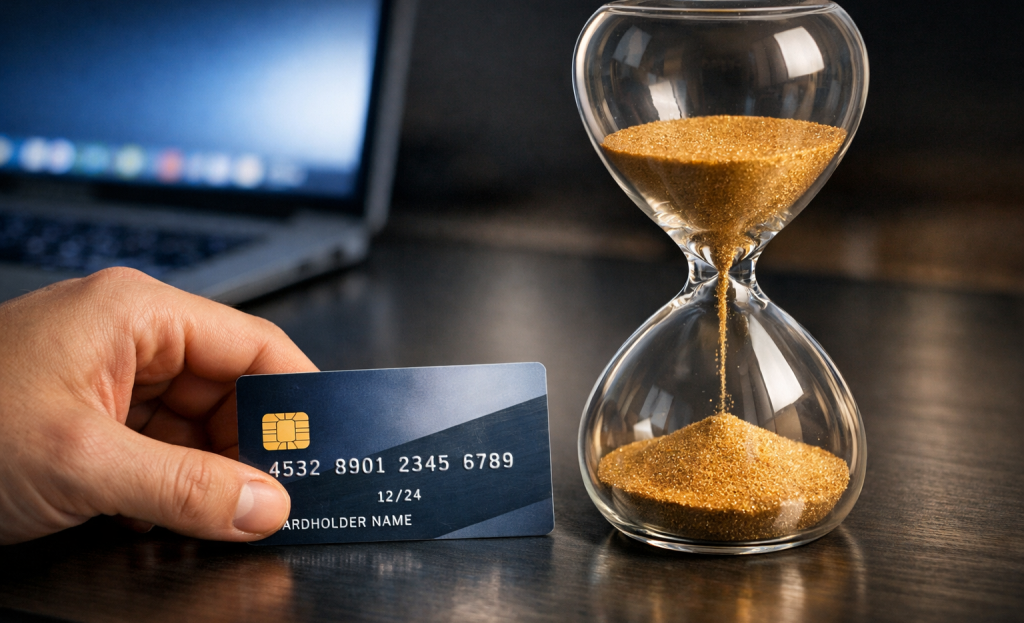
Trial length is the other lever that gets underestimated. In 2026, 14-day trials are the most common structure by a wide margin - used in 62% of cases. Seven-day and 30-day trials are at 14% each, with the remaining share spread across other lengths.
| Trial Length | Share of Usage (2026) |
|---|---|
| 14 days | 62% |
| 7 days | 14% |
| 30 days | 14% |
| Other | 10% |
The honest question is whether your trial is long enough for users to experience the actual value of your product. A 7-day trial works well for simple tools, but a complex product may need more time to click. On the other end, a 30-day trial gives users room to procrastinate and disengage well before they ever see the best of what you have to offer. Tools like hello bar alternatives can help you nudge trial users at the right moment before they drift away.
The Role Sales Teams Play in Each Model
The conversion difference between free trials and freemium doesn’t happen by accident. A big part of it can depend on how much human contact each model builds into the process.
Studies show that 44% of free-trial businesses have sales teams reach out to more than half of their sign-ups. For freemium, that number drops to 24%; it’s nearly double the sales involvement, and it has actual consequences for revenue.
Free trials create a natural sense of urgency that gives sales teams a reason to get in touch. There’s a deadline, and that makes the conversation easier to start. Freemium users, on the other hand, can stay on a free plan indefinitely, so there’s less of a trigger for sales to act on.
This leads freemium-first businesses to go almost entirely product-led, with users expected to self-serve their way to a paid plan with no human involvement at all. That works pretty well at scale, but it also means a portion of users who could convert with a little push just… don’t.

This is where product-led sales, sometimes called PLS, can become worth mentioning. The idea is to use product data - things like feature usage, login frequency, and team size - to find which free users show signs of being ready to buy. A sales rep then comes in at the right moment instead of blasting everyone with generic outreach.
It’s a middle ground that freemium businesses are increasingly moving toward. Pure product-led growth can leave money on the table, and that’s also the case in mid-market and business segments where a conversation can meaningfully change the outcome.
Free trial businesses basically have this built in by default. Freemium businesses have to be more deliberate about it.
Where Freemium Quietly Wins Despite Lower Conversion
Conversion rate is not the only number that matters, and freemium is an example of why. Its free-to-paid conversion sits around 2-5%, which looks weak next to free trial numbers. But its visitor-to-signup rate shows something completely different - freemium products pull 13-16% of visitors into the funnel, which is strong top-of-funnel performance.
That distinction matters more than it gets credit for. A massive free user base is a pool of possible paying customers. For products built on network effects - think communication tools, file sharing platforms, or collaboration software - free users make the product more helpful for everyone, including those who do pay.
Freemium also builds brand presence in a way that free trials have a hard time matching. A user who spends months on your free tier and recommends it to a colleague generates earned awareness with no acquisition cost attached - it’s a long game, but it compounds.

There are also industries where sales cycles run long and buyers need time to build trust before they spend a dollar. In those contexts, pushing into a timed trial can seem like pressure at the wrong moment. A free tier lets them stay in the product, get comfortable, and upgrade when the time is right for them.
Some tools are also a better fit for this model because the free tier itself functions as marketing. If new users invite teammates, share outputs publicly, or embed your product into their workflow, they spread your name without you spending anything extra.
The honest question worth sitting with: if your goal is market penetration instead of near-term revenue, does a lower paid conversion rate actually mean the model is failing?
How Your Product Type Should Drive the Decision
The right model for your product has quite a bit to do with how fast users can get value from it. If a user needs days or weeks to see what your tool can do, a time-limited trial puts actual pressure on that discovery window. A freemium tier gives them room to breathe and find that first win on their own schedule.
Think about the difference between signing up and the second a user thinks “this actually works for me.” That gap is sometimes called the “aha moment,” and its timing shapes everything. For tough B2B tools with long setup times, a free trial can expire before that moment ever arrives.
High-value B2B products with longer sales cycles do better with a free trial paired with support. The sales team can guide users through setup, accelerate that moment of clarity, and move them toward a paid plan before the window closes. That model works exactly because the product is tough enough to need a guide.
Simpler horizontal tools - the kind anyone from a freelancer to a large team might use - are a different story. Freemium works pretty well here because the product is easy to pick up and the possible user base is wide. A large net makes sense when onboarding is light and the free tier creates genuine habits over time.

User persona matters too. Self-serve users who dislike sales contact respond well to freemium because it removes friction entirely. Buyers who are spending a real budget and need to feel confident in the product will prefer a structured trial with support available.
Your average contract value is worth looking at. Low-ACV products don’t justify the cost of a sales-assisted trial process and tend to flourish with freemium’s lower-touch strategy.
Signs Your Current Model Might Be Holding You Back
Sometimes the model isn’t the problem - the execution is. But sometimes the model itself is the wrong fit, and the numbers will tell you if you pay attention.
With free trials, the clearest warning sign is a reduced drop in engagement after day one. If users sign up and then disappear, they either didn’t see the value fast enough or the trial window didn’t give them enough time to reach it. Neither of these is a user problem.
With freemium, watch for free users who never touch the features locked behind a paywall. If they’re getting everything they need from the free tier, there’s no pressure to upgrade. A freemium plan that’s too generous slows conversions and trains users to expect more for nothing.
Another red flag is a growing free user base that puts strain on your infrastructure without a matching rise in paid accounts; it’s a sign your freemium tier is pulling actual resources without pulling its weight commercially. Some businesses have responded by tightening free-tier limits and moving toward a trial-first structure, which forces users to make an actual choice earlier in the process.
A hybrid strategy may make more sense than a full switch. A time-limited trial that unlocks all features, followed by a limited free tier, can bridge the difference between the two models. That said, hybrid setups add complexity to your onboarding and your pricing page, so they need to be managed carefully.
The most honest gut-check is to look at where users drop off and ask what they knew about your product at that moment. If they left before they ever saw the core value, the model isn’t doing its job.
So, Which One Should You Actually Go With?
Before you decide or change course, run through these questions:

- Can a new user experience real value in your product within a few days, or does it take weeks? If it takes weeks, a time-limited free trial is likely working against you.
- Do your best customers use the product occasionally or constantly? Occasional users tend to convert better under freemium; power users convert well under trials.
- Is your support and onboarding team equipped to handle a large free user base? Freemium scales your audience before it scales your revenue.
- Are you losing people at signup or after they’ve been inside the product? The answer points directly at which model - or which part of your current model - is the problem.
If your answers push you toward changing your model, treat it as iteration instead of retreat. Some of the most successful SaaS products in the market started with one strategy, learned from actual user behavior, and shifted. That willingness to adjust based on evidence is not a sign that the original choice was wrong - it’s how products get built. You now have a clearer lens for making that call. The next step is to make it.
FAQs
What is the median conversion rate for free trials?
The median free-to-paid conversion rate for free trials is around 8%, significantly higher than freemium’s roughly 2.6%. Opt-out free trials, where users must actively cancel, can reach conversion rates as high as 48.8%.
Does requiring a credit card improve free trial conversions?
Yes, requiring a credit card at signup can push free trial conversions toward 30%. However, this reduces overall signup volume, as fewer users are willing to enter payment details upfront.
Which model is better for top-of-funnel growth?
Freemium outperforms free trials at the top of the funnel, attracting 13-16% of visitors to sign up. This makes it stronger for market penetration, even though its free-to-paid conversion rate is lower.
How does sales involvement differ between the two models?
Free trial businesses have sales teams contact over 44% of signups, nearly double the rate of freemium businesses at 24%. Free trials create natural urgency that gives sales teams an easier reason to reach out.
What trial length is most commonly used in 2026?
14-day trials are the most common structure, used in 62% of cases. Seven-day and 30-day trials each account for 14%, with the remainder spread across other lengths.