

Here is the thing that most marketing advice gets wrong: a lead magnet that is not converting is rarely a sign that your offer is fundamentally broken or that your audience does not want what you are giving away. In almost every case, the problems are small, structural, and sitting right there in plain sight - hiding inside the headline, the opt-in form, the page layout, or the way the value is being communicated.
To give you a sense of what the numbers actually look like, common opt-in pages convert between 5 and 15 percent of visitors into subscribers. Top-performing pages - the ones built by people who have ironed out the types of problems covered here - hit 20 to 25 percent. That gap is not talent or luck - it's a handful of fixable issues compounding against each other.
What follows is a practical look at the most common reasons lead magnets underperform and, more usefully, what to do about each one. No abstract theory - just the adjustments that people who know where to look use to move the needle faster.
Key Takeaways
- Generic lead magnets fail because they don't address urgent, specific problems your audience is actively trying to solve right now.
- Simpler landing page copy converts nearly twice as well; pages written at a 5th-7th grade level convert at 11.1% versus 5.3%.
- Adding even one extra form field beyond name and email drops conversion rates dramatically, from 3.31% down to 1.08%.
- Short-form content and quizzes outperform long-form guides; quizzes average around 40% conversion compared to typical 5-15% opt-in rates.
- Nurtured leads spend 47% more, making your post-opt-in email sequence as critical as the lead magnet itself.
The Real Reason Your Offer Feels "Meh" to Your Audience
There's a difference between something being helpful and something feeling relevant. A lead magnet can be packed with information and still get ignored because it doesn't connect to a problem your audience is actively trying to fix right now.
Generic lead magnets tend to fail in a quiet, frustrating way. Something like "10 Tips to Grow Your Business" doesn't speak to anyone in particular - it doesn't say "I understand exactly what you're struggling with." It just exists as content, and people scroll past it without a second thought.
The question to ask yourself is this: does your lead magnet solve a problem your audience is already looking for? Not a problem you assume they have, and not a problem that would be nice to solve some day. A pressing problem they'd legitimately want to fix this week.
This is where creators go wrong. They build something based on what they think their audience wants, instead of what their audience has actually said. Your instincts matter. But they're not a substitute for evidence.
The good news is that your audience is already telling you what they need - you just have to know where to look. Forums, Reddit threads, Facebook groups, and YouTube comment sections are full of people describing their problems in their own words. These places are worth your time to read through.
Pay attention to the questions that come up again and again. When someone posts "I've tried everything and I still can't get X to work," that's a high-urgency problem; it's the pain point a lead magnet can address in a meaningful way.
The language used matters too. If your lead magnet title and description don't align with how your audience talks about their problem, it won't feel like it's meant for them. A disconnect in language creates a disconnect in relevance - even if the content itself is solid.
Relevance is personal - it's the feeling someone gets when they read your lead magnet title and think "yes, that's exactly what I need." Getting there requires feedback first and creating second - not the other way around.
How Your Landing Page Copy Might Be Scaring People Away
Even when your lead magnet is what people need, the wrong words on the page will stop them from signing up. Copy does more than describe what you're giving away - it either builds trust or quietly erodes it.
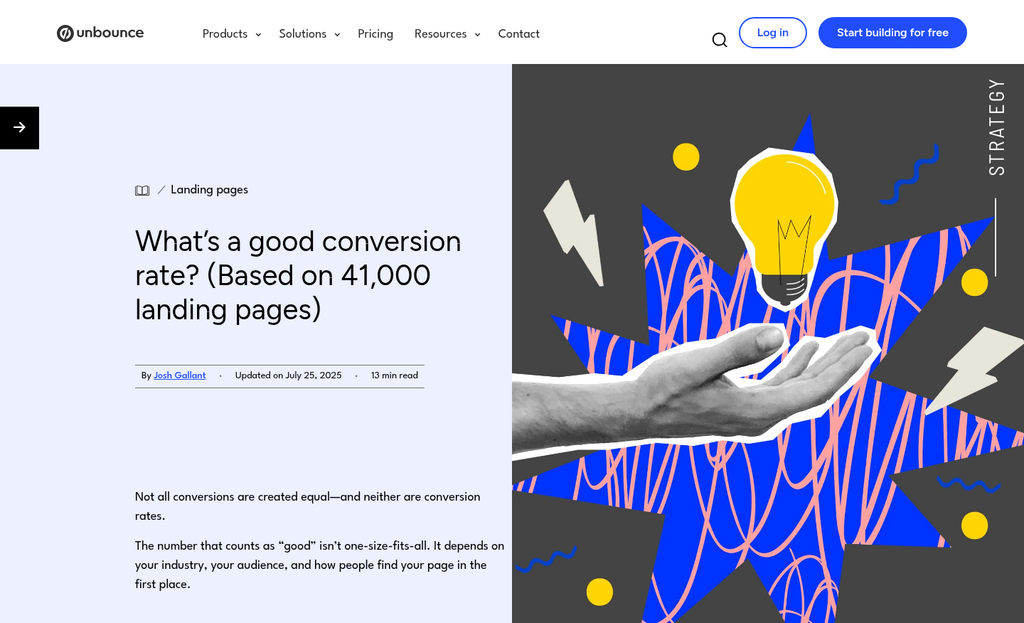
Unbounce found that landing pages written at a 5th to 7th grade reading level convert at 11.1%, compared to just 5.3% for pages written at a college reading level; it's not a small gap. Simpler language reads faster, feels more human, and doesn't make people work to understand what they're reading.
When copy feels dense or formal, it reads like a sales pitch. People sense the effort behind it and start to pull back.
Start with your headline. A lot of headlines just name the freebie - "Free Social Media Checklist" or "Download Our Marketing Guide." That tells what the thing is. But not what it does for them. A stronger headline is about an outcome, something the reader actually wants to walk away with. The difference between "Free Meal Planning Template" and "Plan a Full Week of Dinners in 20 Minutes" is that the second one earns the click because it speaks to the result.
Friction-loaded phrases are another quiet problem. Words like "submit," "sign up," or "register" all carry a sense of effort or commitment. They make the action feel bigger than it is. Swap these for something like "Send me the guide" or "Get instant access" - language that puts the reader in control and makes the next step feel easy. The psychology behind high-converting call-to-action buttons goes deeper into why certain words outperform others.
The same principle applies to where you put your value proposition. If the best reason to download your lead magnet is buried in the third paragraph, most visitors will never see it. Front-load the benefit. Your reader should know what they'll gain within the first two seconds of landing on the page. Small design and copy tweaks can make a meaningful difference in how quickly that value lands.
It also helps to read your copy out loud. You want it to feel like they're getting advice from a knowledgeable friend - not reading a product description.
The words you choose set the tone for the entire relationship with a new subscriber. Copy that feels approachable and direct makes people more willing to hand over their email address - because it already signals you're on their side. If you want to see how the whole page comes together, landing page builders with built-in CRO features can help you test and refine both copy and layout in one place.
The Hidden Conversion Killers Living in Your Opt-In Form
Your copy can do everything right and still lose at the form itself. The structural side of your opt-in experience deserves just as much attention as the words around it.
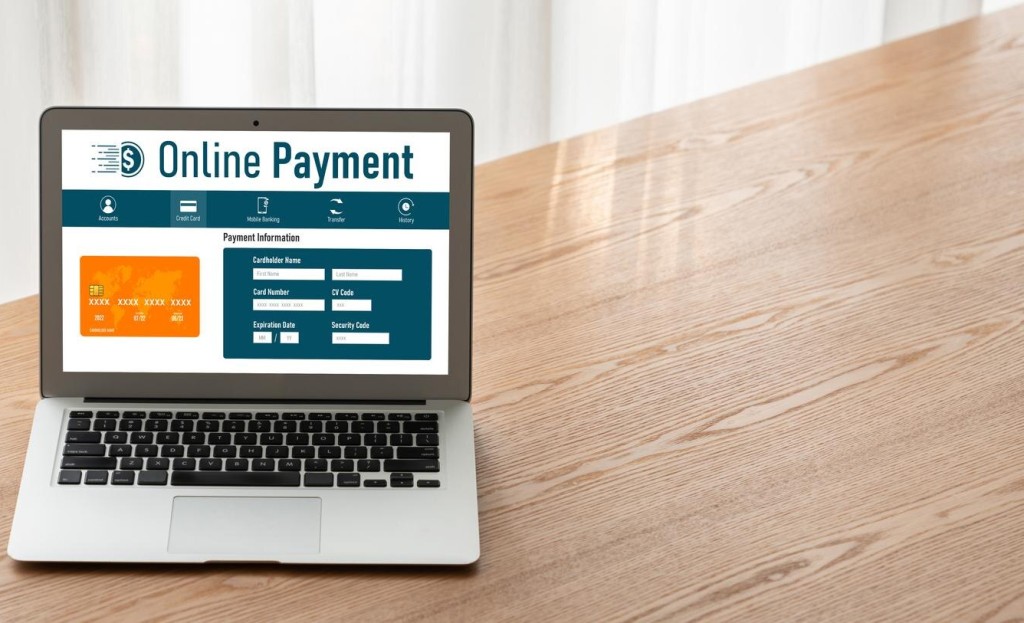
There's data on this. Two-field forms - name and email - convert at around 3.31%. Add one more field. That number drops to 1.08%; it's not a small dip; that's your form doing active damage to your list growth.
Every field you add is a small request for trust from a person who hasn't decided yet if you're worth their time. They came for a free resource - not a relationship application. When asking for a phone number, a job title, or a company name at this stage, you're asking for information that serves you - not them. Most feel that - even if they can't name it.
Consider what that experience is like. You find something you want to download. You click the button and the form asks for your first name, last name, email, phone number and industry. The result is a bit of friction that's enough to make them close the tab and they don't usually come back.
The honest question to ask yourself is what you actually need at this stage of the relationship. An email address is enough to start. A first name is helpful for personalization. Anything past that can wait until you've earned more trust.
Form fields aren't the only thing to look at here. Page load speed matters more than most people realize, and that's also the case on mobile. These are exactly the kinds of micro-conversion metrics worth tracking if you want to understand where people are dropping off.
Mobile experience is worth a separate look. A form that feels easy on a desktop can seem cluttered and hard to tap on a phone screen.
Even your button deserves attention. The text on it should reflect what the person is about to receive instead of what they're doing to get it. "Send me the guide" tends to be more helpful than "Submit" because it emphasizes the value - not the transaction. If you're running tests on which version works better, A/B testing tools built for smaller sites can help you find the answer with real data.
Why Format Matters More Than Most Marketers Realize
Once your opt-in form is working well, the next thing to look at is the lead magnet itself - specifically, what shape it takes - it communicates how much effort you're asking readers to invest before they've received anything from you yet.
GetResponse found that 58.6% of marketers say short-form content converts better than long-form; it's not a small margin, and it seems like something worth taking seriously. People are busy, and a lead magnet that looks like homework will lose before they can even read it.
The format you pick sends a signal. A 40-page eBook says "set aside some time for this." A one-page checklist says "you can use this right now." Those two messages land very differently depending on who your audience is and what they came to your site for.
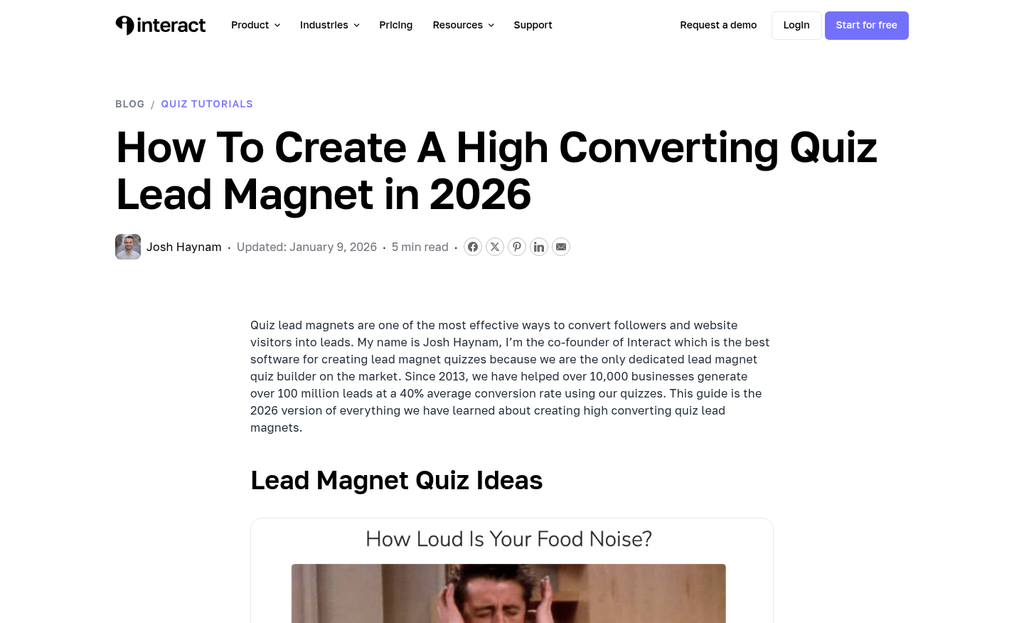
Quizzes are a strong example of a format doing heavy lifting. Interact's data puts the average quiz conversion rate at around 40.1%, which is notably higher than most static lead magnets.
Those two things are usually very different starting points.
| Format | Best For | Conversion Potential |
|---|---|---|
| Quiz | Segmentation, engagement | High (~40% avg) |
| Short checklist or cheat sheet | Quick wins, busy audiences | Medium-High |
| Long-form eBook or guide | Deep education, niche topics | Low-Medium |
| Template or swipe file | Done-for-you appeal | Medium-High |
Long-form guides aren't useless - they work well for audiences who are deep in research mode or looking at a buy. But if your audience skims content on a lunch break, a dense guide is the wrong tool for the job. It's also worth thinking about how you gate that content without hurting your SEO rankings.
Templates and swipe files tend to convert well because they remove work from the reader's plate. There's a difference between teaching something and handing them something they can use. If you're also thinking about how to reduce popup fatigue while still capturing leads, format plays a big role in making those offers feel worth accepting.
What Happens After the Opt-In Is Just as Important as the Magnet Itself
Most lead magnet advice stops the second someone subscribes. But that second is the beginning of whether this person will ever buy from you.
Invesp found that nurtured leads make purchases that are 47% bigger than the ones from non-nurtured leads. That gap is not a small detail.
The most common problem in post-opt-in sequences is a tone mismatch. Your lead magnet speaks one language and then your first email reads like it was written by a different person for a different audience. Readers see this, even if they don't have the words to describe it. That disconnect is enough to make them mentally check out before you've had a chance to build any trust.
Ask yourself: does your welcome sequence actually deliver on the promise your lead magnet made? If your lead magnet was a checklist to help freelancers write better proposals, your follow-up emails should extend that same line of thinking. They should not pivot immediately to your coaching program or drop into generic marketing content that has nothing to do with what the person signed up for.
A strong nurture sequence has a few things in common - it confirms that the subscriber made a choice to opt in, then builds on the topic they already showed interest in, one email at a time. Setting up email message automations can help you deliver that sequence consistently without managing it manually.
Timing matters here. Space your first few emails close together so you stay on the person's radar while interest is still fresh. Then you can settle into a slightly slower cadence as trust builds, and each email should add something helpful before you introduce any pitch.
The pitch itself should feel like a natural next step. If your nurture sequence has done its job, the reader should feel ready for it instead of ambushed by it. That readiness comes from steady, relevant value delivered in a tone that matches what they signed up for. Understanding which conversion model fits your offer can also shape how you frame that moment.
A lead magnet gets them to the door. Your follow-up sequence is what decides if they stay.
Small Fixes, Bigger Results - Here's Where to Start
Instead of overhauling everything at once, pick one thing to test or change this week - rewriting your headline to be more specific, or swapping a generic checklist for something that solves a single, urgent problem. Small changes tested consistently compound into results.
The lead magnets that convert well aren't usually the cleverest ones. They're the clearest, the most relevant, and the easiest to say yes to. A 20% conversion rate isn't reserved for marketers with bigger budgets or better design - it's available to anyone willing to look at tools that help grow your email list and make it easy to get.
FAQs
Why isn't my lead magnet converting visitors into subscribers?
Most conversion problems aren't fundamental flaws - they're small structural issues hiding in your headline, opt-in form, page copy, or how you communicate value. Fixing these compounding issues can move you from a typical 5-15% conversion rate to 20-25%.
How many form fields should my opt-in form have?
Stick to two fields: name and email. Two-field forms convert at around 3.31%, but adding just one extra field drops that to 1.08%. Only ask for information you genuinely need at this early stage of the relationship.
Does lead magnet format affect conversion rates?
Yes, significantly. Short-form content like checklists and templates consistently outperform long-form guides. Quizzes average around 40% conversion, far above the typical 5-15% for static lead magnets.
What reading level should my landing page copy be?
Aim for a 5th-7th grade reading level. Landing pages written at this level convert at 11.1%, compared to just 5.3% for college-level copy. Simpler language reads faster, feels more human, and builds trust more effectively.
Does what happens after the opt-in really matter?
Absolutely. Nurtured leads spend 47% more than non-nurtured ones. Your welcome email sequence should match the tone of your lead magnet and continue delivering relevant value before introducing any pitch.


