


It's a frustrating experience, and it's far more common than most creators admit. The instinct is usually to blame the design, the copy, or the traffic source. But more often than not, the issue happened before any of that - at the topic selection stage, when the idea felt right but was never actually tested against an audience.
Let's talk about what makes this especially worth mentioning: roughly 60% of businesses already A/B test their landing pages, putting effort into optimizing conversions after the fact. Yet the majority of the same businesses skip the one test that costs the least and matters the most - validating if their lead magnet topic has genuine demand before they invest hours building it.
The good news is that testing a topic idea doesn't need a finished product, a big audience, or a tough tech setup. There are lightweight, low-effort methods that can tell you quite a bit about what your audience actually wants to download - and they work even if you're just starting out.
I'll talk about how to run those tests, what signals to look for, and how to use what you learn to create lead magnets that people are already ready to want.
Key Takeaways
- Most lead magnets fail at topic selection, not design or copy, often after 10-20 hours of wasted creation work.
- Four lightweight testing methods exist: paid ad headline tests, email subject line splits, waitlist pages, and audience polls.
- Clicks are stronger signals than opens because they indicate direct intent toward a specific topic.
- A 10-20% gap between results is needed to confidently identify a winning topic; smaller gaps are just noise.
- Making topic testing a standard workflow step, not optional, and logging results improves future lead magnet decisions.
Why Most Lead Magnet Topics Fail Before They're Even Finished
Most lead magnets don't fail at the design stage or the delivery stage. They fail at the idea stage, long before a single word gets written.
The way most creators pick a topic goes something like this: they look at what a competitor is doing, or they go with their gut, or they pick the thing they feel most confident writing about. None of these strategies actually tell you what your audience wants to download. They tell you what already exists or what feels comfortable to create.
This is a bigger problem than it looks. A lead magnet takes time to build - researching, writing, designing, formatting, and delivery. You can sink ten to twenty hours into something before a single person sees it - and it's wasted momentum at the point in your funnel where you needed to build trust and capture attention.
There's a tempting shortcut that creators take, which is to use industry data to make the choice feel more grounded. Ebooks are the most used lead magnet format at 27.7% and guidebooks top conversion rate charts at 67.2%. Those numbers get passed around quite a bit. But they don't tell you anything about your audience specifically.
Popularity is not the same as fit.
A format or topic that converts well across thousands of different audiences may do nothing for yours. Your audience has a particular problem at a particular stage of awareness, and what they'll download is shaped by that context. If your topic doesn't map onto something they're already thinking about, it won't matter how well-designed the lead magnet is.

The honest question to ask yourself is this: are you building what your audience wants, or what you assume they want? For most creators, the answer is the second one - and they don't realise it until they've already finished building. If you've been through this cycle before, understanding why your lead magnet isn't converting can help pinpoint exactly where things went wrong.
The cost of getting this wrong shows up in a few ways. The time loss is the most visible one. But there's also the financial side - paid traffic, tools, designer fees if you've outsourced - and none of that comes back if the topic was wrong to begin with. Then there's something less tangible but just as real, which is the confidence knock that comes from putting weeks into something and seeing it sit there with barely any takers.
None of this is a reason to get stuck in planning mode forever. You want to put a small amount of effort into testing your topic before you build it, so what you create has a signal behind it instead of just a hopeful assumption.
That's the gap this whole process is built to close.
The Lightweight Testing Methods That Reveal Topic Demand Fast
You don't need a finished lead magnet to find out if a topic is worth pursuing. All you need is a headline and a way to put it in front of people. The signal you're looking for is simple: do people click, open, vote, or sign up when they see your topic framed as a promise?
The fastest way to get that signal is a paid social ad headline test. You write two or three short ad headlines, each one named after a different lead magnet topic, and you point them all to the same destination - or nowhere at all, if you just want click data. You're not selling anything; you're watching which topic pulls more clicks. For a small budget and less than a day of run time, you get behavioral data instead of guessing. The right A/B testing tools can make this process much faster to set up and measure.
If you already have an email list, you can run a similar test for free. Send the same email to two segments with different subject lines; each subject line names a different possible topic. The one with the higher open rate tells you which framing your audience actually responds to - this works because people open an email based almost entirely on whether the subject line feels relevant to them.
A landing page waitlist takes a bit more setup but gives you deeper signal. You build a simple page that describes your lead magnet topic as if it already exists and asks people to join a waitlist to get it first. Landing page builders with built-in CRO features can help you get this up quickly without much technical effort. It's worth doing when you have two or three strong contenders and you want to separate genuine interest from casual curiosity.
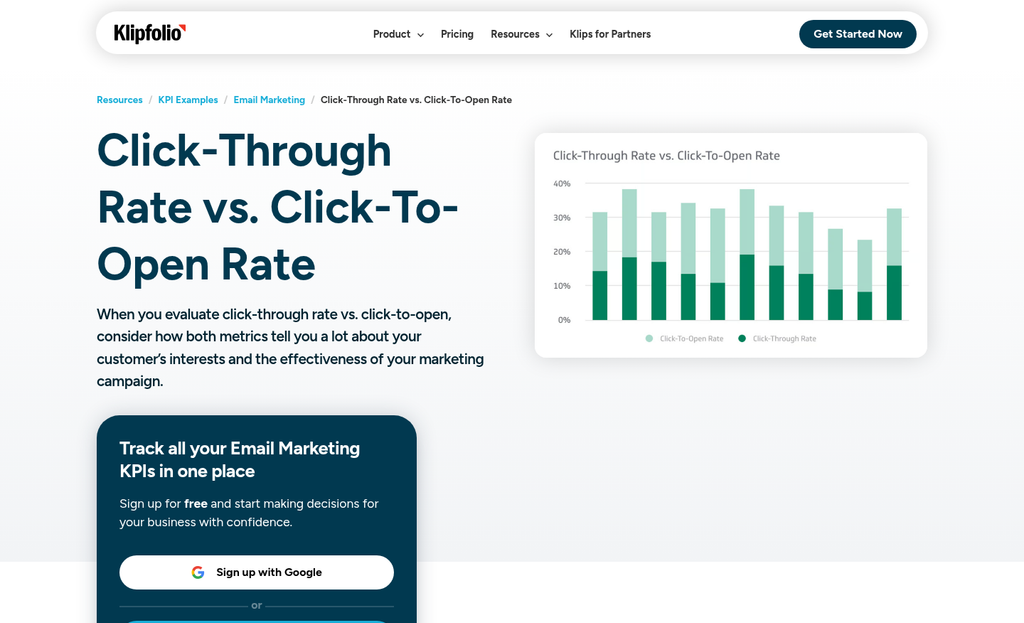
Polls are the most frictionless option of all. Post a question to your social audience or drop it into an email asking which topic would be most helpful to them. Vote counts won't have the same depth as behavioral data like scroll depth, but they're a fast way to narrow down a long list before you run a more structured test.
| Testing Method | Cost Level | Time to Signal | Key Metric |
|---|---|---|---|
| Paid social ad headline test | Low-Medium | 3-12 hours | Click-through rate |
| Email subject line split | Free | 12-24 hours | Open rate |
| Landing page waitlist | Free-Low | 1-2 weeks | Signups |
| Audience poll (social/email) | Free | 24-48 hours | Vote count |
You don't have to use all four of these. Pick the one that fits your timeline and what you already have access to. Even a single test with a small sample gives you more to work with than your best guess about what people want.
How Long to Run Your Test and What Numbers Actually Matter
Once your test is live, the hardest part is waiting. Most check their results within the first hour and feel tempted to call a winner. That instinct will lead you in the wrong direction almost every time.
Different metrics need different amounts of time to stabilize. Click data can point toward a winning topic in as little as three hours. But that's only reliable at around 90% accuracy. Open rates need at least 12 hours before you can trust what you're seeing. Full statistical importance - the point where you can act with confidence - takes one to two weeks for most tests; it's not a flaw in the process; it's just how data works.
The reason early numbers mislead you is easy. A small sample size makes normal variation look like a difference. If 10 saw version A and 12 saw version B, a gap of two replies isn't a signal- it's noise. You need enough data for patterns to emerge on their own, without you projecting meaning onto them.
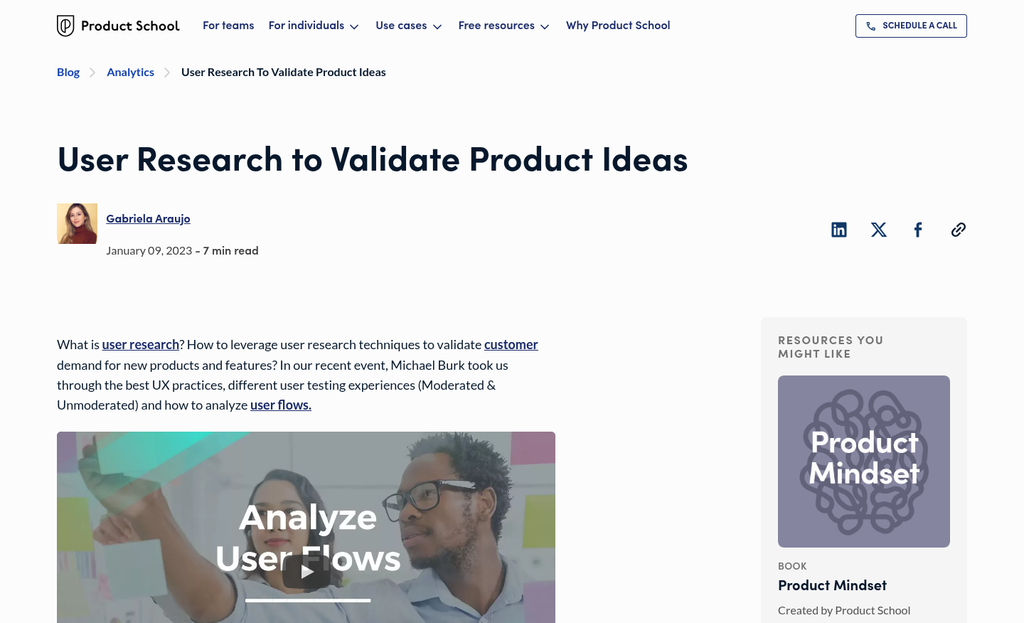
A rough rule of thumb is that you want to see a gap of at least 10 to 20 percent between your two topics to treat one as a leader. A result where one topic gets a 25% click rate and the other gets 12% is telling you something. A result where one gets 18% and the other gets 16% is telling you almost nothing.
It also helps to know which metric to prioritize. Clicks are the stronger signal for lead magnet topics because they show intent. Someone who clicks on a headline is actively saying they want that thing. Opens alone are weaker because they depend on your subject line, send time, and a dozen other variables that have nothing to do with topic interest.
| Metric | Minimum Time to Trust | What It Tells You |
|---|---|---|
| Clicks | 3+ hours | Direct interest in the topic |
| Opens | 12+ hours | Curiosity about the framing |
| Full significance | 1-2 weeks | Reliable, actionable conclusion |
It can cost you the effort of building the wrong lead magnet entirely. A few extra days of patience at this stage is a bit cheaper than weeks of creation work pointed at a topic your audience doesn't actually want.
Let the test breathe. Check in. But don't intervene.
Stop Guessing, Start Testing - Then Build What People Actually Want
The bigger opportunity here is that you should learn to treat your audience's behavior as data, not guessing. Every click, every signup, every scroll-past is a vote. When you start reading those votes before you invest time in creation, you stop building in the dark. You build what you already know people want. That changes everything about how confidently you can promote your lead magnet.
To make this a habit instead of a one-time experiment, try two things: schedule a topic test at the start of every new lead magnet project - not as an optional step but as part of your standard workflow. And keep an easy log of your results - winning topics, losing angles, audience segments that surprised you - so each test makes the next one better. Over time, you'll build an instinct for what resonates that no amount of guessing can replicate. You have everything you need to start. Run the test before you write a single word.
FAQs
Why do most lead magnets fail before they're finished?
Most lead magnets fail at the topic selection stage, not design or copy. Creators typically choose topics based on gut instinct or competitor research rather than validating actual audience demand first.
What are the fastest ways to test a lead magnet topic?
Four lightweight methods work well: paid social ad headline tests, email subject line splits, landing page waitlists, and audience polls. Each varies in cost and time, but all provide demand signals before you build anything.
How long should you run a lead magnet topic test?
Click data can signal a winner in as little as three hours, but full statistical reliability takes one to two weeks. Avoid calling a winner too early, as small sample sizes make normal variation look like meaningful differences.
What metrics matter most when evaluating test results?
Clicks are the strongest signal because they show direct intent toward a topic. Opens are weaker since they're influenced by send time and subject line framing rather than genuine topic interest.
How big a gap indicates a clear winning topic?
Look for at least a 10-20% difference between results to confidently identify a winner. Smaller gaps, like 18% versus 16%, are statistical noise and shouldn't drive your decision.


