

The problem is that somewhere along the way, a lot of brands decided to fake it. Countdown timers that reset the second they hit zero. "Limited stock" warnings on items with warehouses full of inventory. Flash sales that somehow run every week. Shoppers have noticed. 76% of consumers say they've spotted fake urgency tactics on e-commerce sites and the fallout is significant - manufactured scarcity has been shown to erode brand trust by as much as 45%; it's not a minor reputational dent; it's customers walking away and not coming back.
Let's talk about what gets lost in that race to manufacture pressure: genuine urgency and scarcity don't need to be invented. Products do sell out. Sales do end. Seasonal stock is limited. When those realities are communicated honestly, they're not manipulation - they're helpful information that actually improves the shopping experience. The tactics themselves aren't the issue. The dishonesty is.
This guide is for anyone who wants to use urgency and scarcity as clear, accurate signals that help customers act with confidence - not pressure them into decisions they'll regret. What follows is a helpful overview of how to apply these tools ethically, so they strengthen your brand's credibility instead of quietly destroying it.
Key Takeaways
- 76% of consumers have spotted fake urgency tactics, and manufactured scarcity can erode brand trust by up to 45%.
- Urgency works because of loss aversion and the scarcity principle - but fake triggers exploit these instincts dishonestly.
- 45% of buyers who acted on FOMO later regretted purchases, leading to returns, chargebacks, and lost repeat customers.
- Honest tactics - real deadlines, live inventory counts, waitlists, and seasonal limits - increase conversions 30-50% without damaging trust.
- Specific, fact-based copy ("Only 8 left in stock") builds credibility; vague pressure language ("Act now!") triggers customer skepticism.
Why Urgency and Scarcity Actually Work on Human Brains
Before you can use these plans well, it helps to know why they work in the first place. It's about how the human brain is wired to respond to limits and time pressure- not manipulation tricks.
The core idea can depend on loss aversion. Studies show that people feel the pain of losing something more intensely than they feel the pleasure of gaining the same thing. So when something is slipping away, the brain responds faster and with more emotion than it would to an easy benefit.
Then there's the scarcity principle, which sits right alongside loss aversion. We assign more value to things that feel rare or hard to get- this happens even when the quality of the thing hasn't changed at all - the perceived scarcity does the work on its own.
FOMO, or the fear of missing out, is the social layer on top of all this- it combines the fear of losing a thing with the feeling of being the person who missed their chance. That feeling can be a strong motivator, and that's also the case when others seem to be acting while you're still thinking.
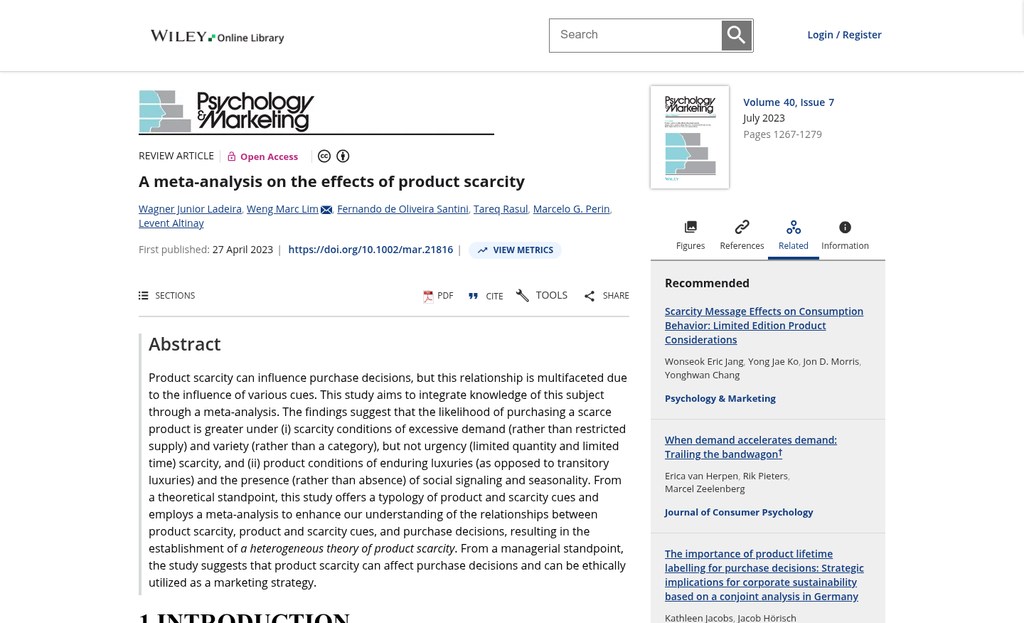
A meta-analysis across 131 studies found that time-based scarcity has the strongest effect specifically on high-involvement purchases. These are the decisions people think about - not impulse buys. That tells you something important about how and when urgency moves people. Understanding the psychology behind high-converting calls to action can help you apply these insights more deliberately.
The instinct to want what feels rare or passing is a basic heuristic the brain uses. If something is running out, it probably has value. If time is limited, waiting might mean losing access. These mental shortcuts usually serve us well in life.
But these same responses can be triggered by things that aren't actually scarce or time-sensitive at all. The brain doesn't automatically check if the pressure is real- it just reacts. That difference between the feeling and the facts is where ethical questions start to get tough. Tools like exit-intent technology rely on exactly this gap between perceived and actual urgency.
The Line Between Honest Scarcity and Manufactured Pressure
There is a difference between telling a customer a product is almost sold out because it legitimately is and running a script that resets a countdown timer every time someone visits your page. One is honest. The other is a trick. And customers are better at telling them apart.
Legitimate scarcity is grounded in something true. A limited production run, a sale that ends on a date, a venue with a fixed number of seats - these are facts you can communicate without any exaggeration. Manufactured pressure, on the other hand, is built on scarcity that does not exist. Evergreen timers that never actually expire and "only 3 left" warnings that reset fall into this second category.
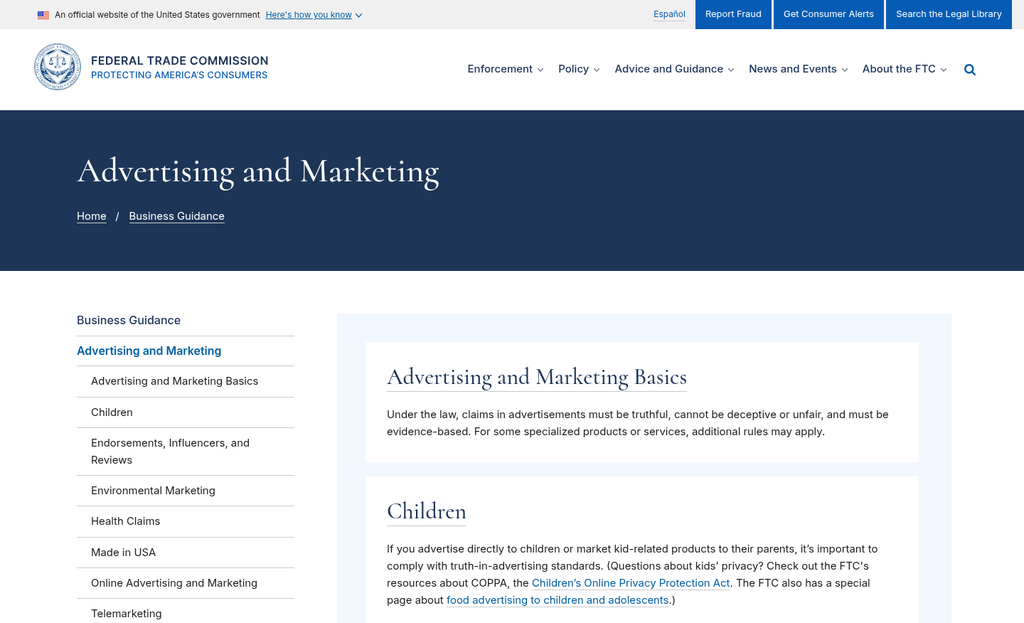
The short-term numbers from fake urgency can look interesting. But research has shown that when customers discover they were misled, the damage to trust is swift and lasting. One study found a 37% drop in sales after manufactured scarcity was exposed. That loss is hard to recover from. Small design and messaging changes can often drive real results without resorting to these tactics.
It is worth being honest with yourself about which side your plans fall on. A useful test is to ask if the constraint you are communicating would still exist if you removed the marketing copy around it. If the answer is no, that's a signal to rethink.
The table below gives you some common tactics side by side so you can see how the honest and manipulative versions compare. You may also want to consider how to reduce pressure-based tactics in your lead generation without hurting results.
| Tactic | Real or Manufactured? | What It Looks Like | Likely Customer Impact |
|---|---|---|---|
| Countdown timer tied to a real sale end date | Real | "Sale ends Friday at midnight" | Builds urgency without eroding trust |
| Evergreen countdown timer that resets on each visit | Manufactured | "Offer expires in 10:00:00" - but it never does | Damages credibility once noticed |
| Low stock alert based on actual inventory | Real | "Only 4 left in stock" - pulled from live data | Helpful and trustworthy |
| Fake low stock warning shown to all visitors | Manufactured | "Hurry, almost gone!" regardless of inventory | Feels manipulative when exposed |
The pattern here is clear. Honest scarcity gives customers accurate information to choose with. Manufactured pressure tries to remove their ability to think by creating a sense of emergency that does not actually exist.
How FOMO-Driven Tactics Lead to Buyer's Remorse and Churn
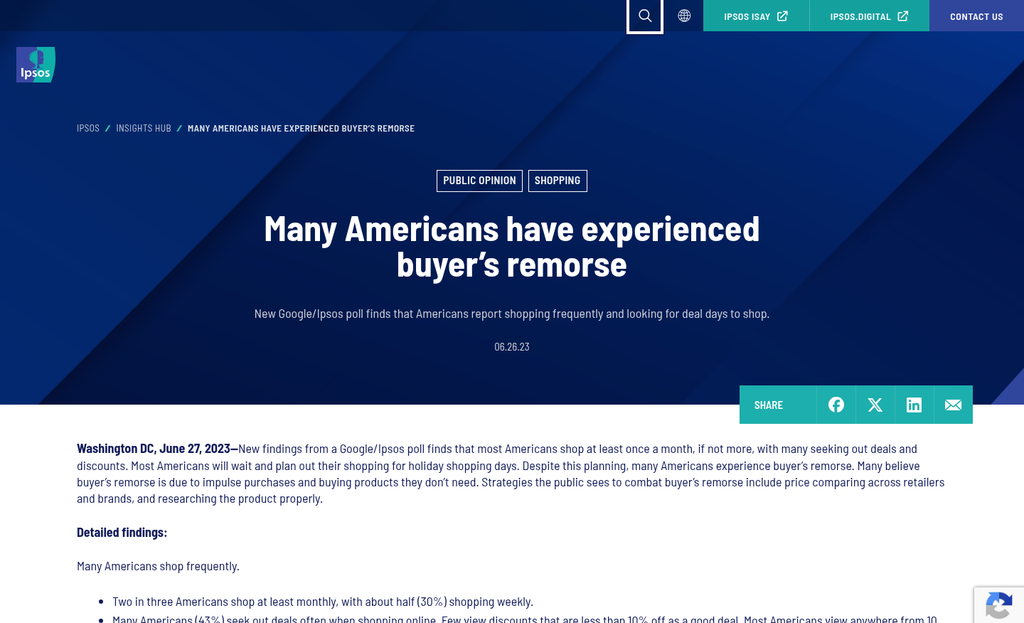
Fake urgency might get customers to click "buy now," but after that click is where the damage starts. Harvard Business Review found that 45% of buyers who acted on fear of missing out later regretted their purchase. That is not a small number to brush off.
Regret has a predictable path. The buyer feels rushed, makes an impulsive decision, and then - once the pressure is gone - wonders why they bought something they didn't actually need. That moment of doubt is where your relationship with that customer starts to fall apart.
Returns and chargebacks are the most immediate cost. A customer who feels manipulated into a purchase is far more likely to reverse it and dispute the charge than a person who bought with confidence, and each of those reversals costs you money in processing fees and lost inventory.
The longer-term damage is harder to quantify but more harmful. Phrases like "felt pressured" or "the countdown timer disappeared after I refreshed" are the types of things that sit on your product page and quietly push others away.
Repeat business is also on the line. A one-time buyer who regrets their purchase has no reason to come back. In fact, they have a reason to actively warn others. Word of mouth works in both directions, and a frustrated customer can undo the value of a few new ones.
A short-term spike in conversions is not worth it when a large chunk of the buyers churn immediately or leave negative feedback. The math doesn't work out in your favor once you account for refunds, review damage, and the cost to replace lost repeat customers. Understanding how to track your micro-conversion metrics can help you catch these warning signs before they compound.
The pattern is consistent across industries. Aggressive urgency attracts the most impulsive segment of your audience and repels the most loyal one. Using micro-commitments instead tends to bring in buyers who convert with confidence rather than anxiety, making them far less likely to churn once the pressure fades.
Trust, once broken by a tactic that felt dishonest, is very hard to rebuild. Most customers won't tell you they feel deceived - they'll just leave and not come back. That silent exit is far more damaging than a complaint you respond to.
Specific Ways to Apply Urgency and Scarcity Without Faking It
The good news is that honest urgency is not a compromise - it works way better. Credible time-limited offers have been shown to increase conversions by 30-50%, and businesses that use genuine scarcity see around 35% higher transaction rates alongside 22% better email click-through rates. These numbers come from behavior - not manufactured pressure.
Genuine urgency in practice looks like a few things done well.
A flash sale with an end date is one of the simplest plans to get right. Set the window, communicate it clearly, and let it expire on time. If customers come back the next day and the sale is still running, you have already done damage that takes a long time to undo.
Low-stock notifications are another strong tool - but only when they are tied to your inventory numbers. Showing "3 left in stock" when you have 300 units sitting in a warehouse is the kind of thing that loses customers permanently. When the number is accurate, it gives shoppers helpful information, and that's a different thing entirely.
Waitlists and early-access programs are underused and worth attention. When a product sells out or a service has limited capacity, a waitlist turns scarcity into something that works in your favor long-term. Early access rewards loyal customers and gives you a natural sense of priority without any false claims attached to it. Pairing these approaches with a well-optimized signup page can make the difference between a casual visitor and a committed lead.
Seasonal or limited-run availability is also honest by design. A product that's only made in autumn or a service with a time-of-year restriction does not need any exaggeration. The limitation is built in, and customers can see that.
Transparency about the reason behind the limit strengthens these plans. Explaining that production capacity is small, that an ingredient is seasonal, or that a cohort has a set size makes the scarcity feel real and considered - it respects the customer's intelligence. Tools like scroll-triggered and time-delay popups can help surface these messages at the right moment without overwhelming visitors.
| Do This | Not This |
|---|---|
| Set a real deadline and stick to it | Extend the sale quietly after it "ends" |
| Show stock levels from live inventory | Display low numbers that do not reflect reality |
| Explain why something is limited | Add urgency with no context or reason |
| Use waitlists to manage real demand | Create fake waitlists to simulate popularity |
How to Write Urgency Copy That Feels Honest, Not Pushy
The words you choose matter more than you know. Two messages can communicate the same scarcity and land in opposite ways depending on how they're written.
Compare these two: "We only produce 200 units per season" versus "HURRY - SELLING FAST!!!" The first one gives a reason. The second one just applies pressure. Readers can sense the difference, even if they can't always name it.
Specificity is one of the most honest signals your copy can send. Vague urgency like "limited time" or "act now" tells the reader nothing and tends to read as a tactic. But "this batch closes on Friday because we ship monthly" tells that story. The more concrete the reason, the more honest the message.
Tone matters too. All-caps, multiple exclamation points, and countdown-heavy layouts signal that the message was built to push instead of to inform. You don't have to strip all energy from your copy. But calm and direct will always read as more credible than frantic.
It also helps to write from the customer's perspective instead of from a sales goal. "There are 12 left in your size" is helpful information. "Don't miss out!" is noise. One of these helps the reader choose and the other just tries to rattle them. If you're delivering these messages through popups, choosing the right popup plugin can affect how your copy is received as much as the words themselves.
A quick comparison shows where your copy tends to land:
| Copy That Feels Credible | Copy That Triggers Skepticism |
|---|---|
| "Only 8 left in stock" | "Almost gone - buy now!" |
| "Sale ends Sunday at midnight" | "Limited time only!" |
| "We make this once a year" | "Extremely rare - don't wait" |
| "Registration closes when we hit 50 spots" | "Spots are filling up fast!" |
The left column gives facts. The right column gives feelings without any backing. Readers have seen enough marketing to know the difference between a real constraint and a manufactured one.
Before you publish urgency copy, read it back and ask if the message helps the reader or just pressures them. That single check will steer you toward language that builds trust instead of quietly eroding it. The same principle applies across your entire funnel - landing page builders with built-in CRO features often include tools that help you test which framing actually resonates with your audience.
Urgency That Earns Loyalty Instead of Losing It
Before your next campaign goes live, take a few minutes to audit what you're putting in front of customers. Ask yourself - is this deadline real? Is this limited quantity accurate? Would I be comfortable if a customer called and asked me to verify it? If the answer is yes, say it with confidence.
The businesses that win long-term are not the ones that are best at creating panic. They are the ones that are clear about value and honest about limits. Customers remember how you made them feel, and a little transparency goes a long way toward making them feel respected. That feeling is what brings them back, gets their friends in the door, and turns a one-time buy into a long-term relationship. If you're looking for tools to support that kind of honest, value-driven conversion strategy, there are options built with exactly that in mind.
FAQs
What percentage of consumers have spotted fake urgency tactics?
76% of consumers say they've spotted fake urgency tactics on e-commerce sites, and manufactured scarcity can erode brand trust by as much as 45%.
What is the difference between real and manufactured scarcity?
Real scarcity is grounded in facts, like limited inventory or a fixed sale end date. Manufactured scarcity uses false signals, such as countdown timers that reset or fake low-stock warnings, to pressure customers dishonestly.
How does fake urgency lead to buyer's remorse?
45% of buyers who acted on FOMO later regretted their purchase. Rushed, pressure-driven decisions often lead to returns, chargebacks, and customers who never buy again.
How much can honest urgency tactics increase conversions?
Credible, time-limited offers have been shown to increase conversions by 30-50%, with genuine scarcity driving 35% higher transaction rates and 22% better email click-through rates.
What makes urgency copy feel trustworthy instead of pushy?
Specific, fact-based copy like "Only 8 left in stock" or "Sale ends Sunday at midnight" builds credibility. Vague phrases like "Act now!" or "Limited time only!" trigger skepticism because they offer no verifiable reason.

